Designing Bootcamps
Designing Bootcamps
Designing Bootcamps
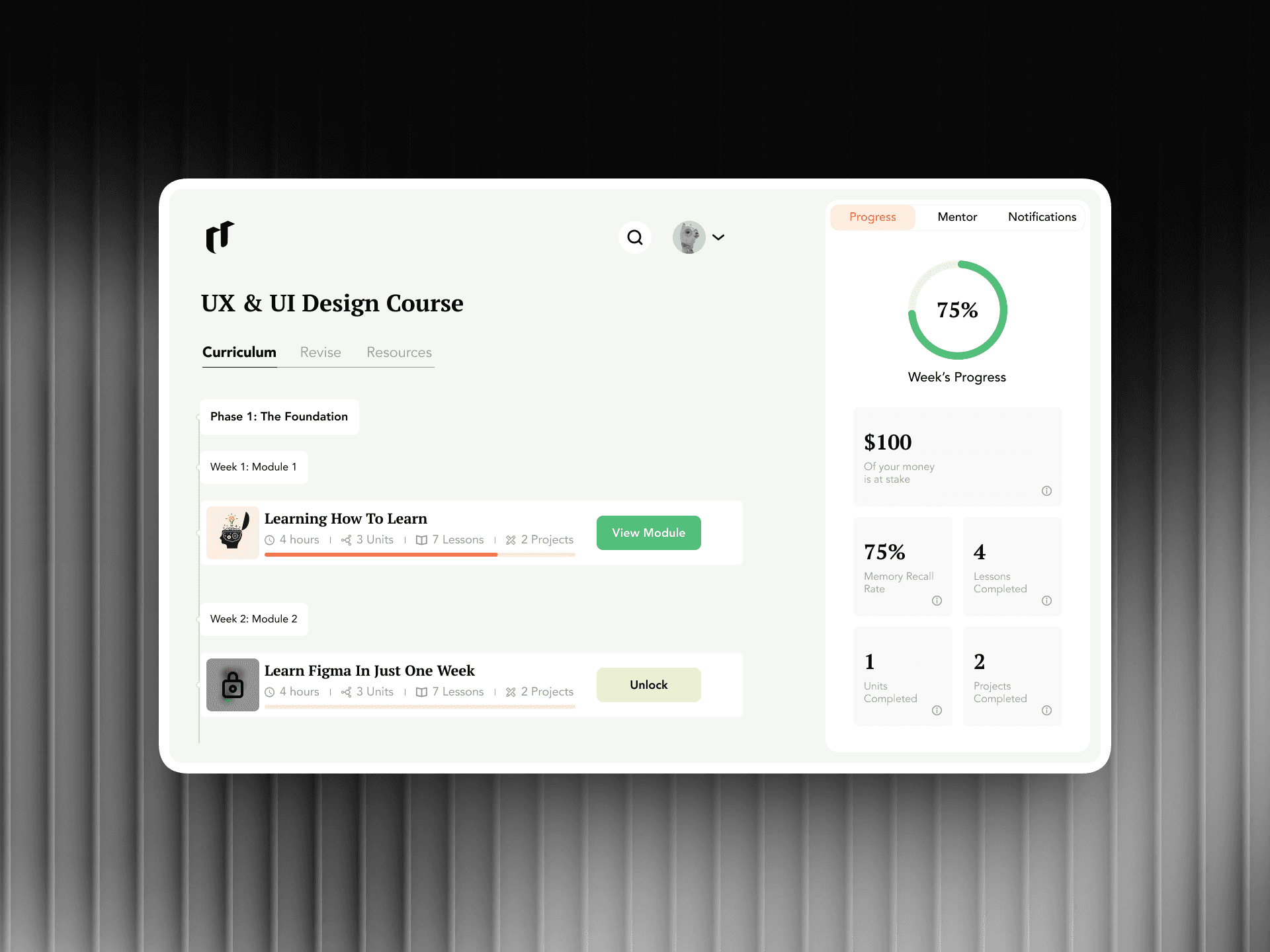
Designed a learning platform for an alternative bootcamp, turning free online resources into structured learning paths with measurable progress, accountability, and completion.
Company
Design Lab
Year
2024
Role
Product Designer, UX Researcher
Research
Curriculum Success Criteria
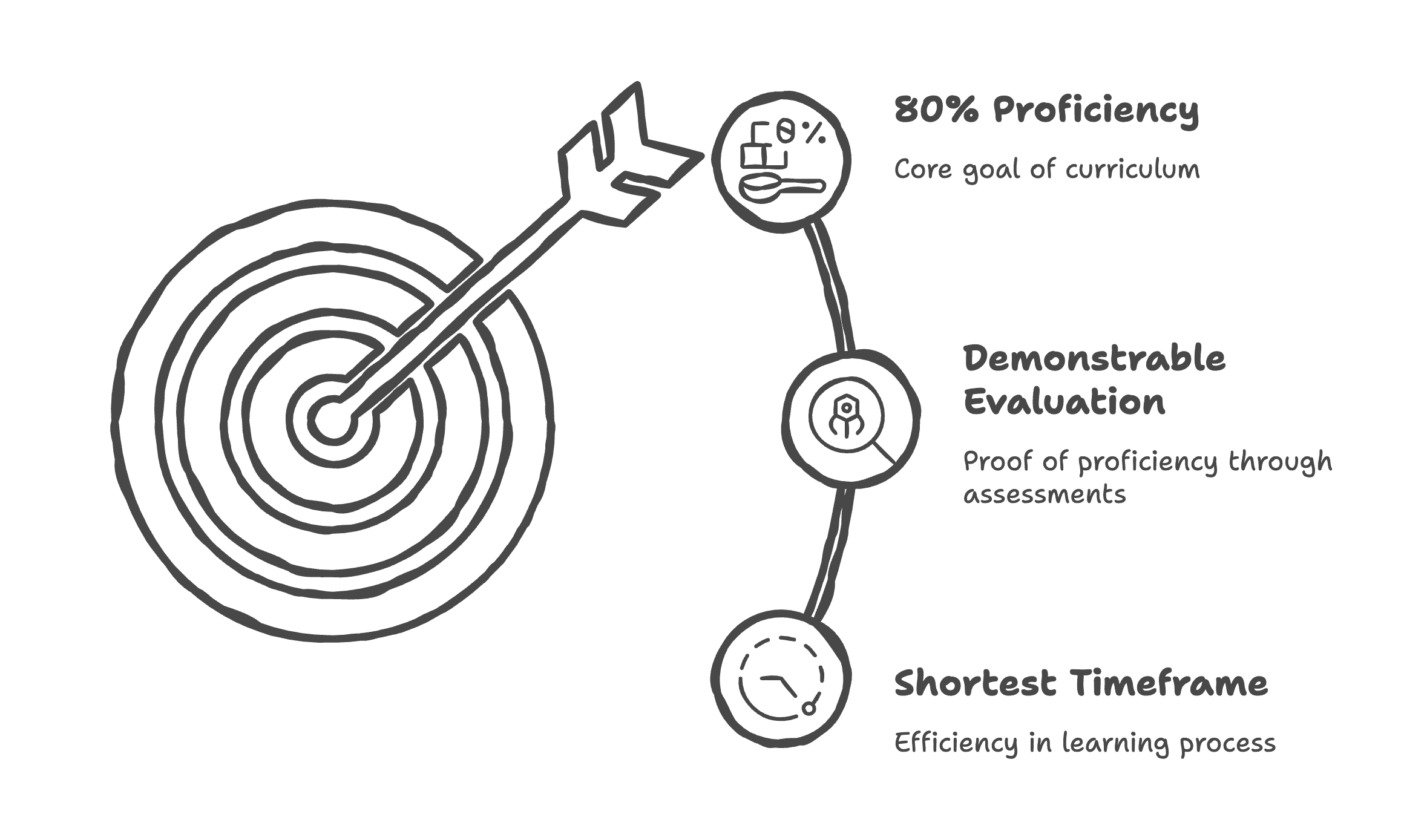
The kickoff meeting made it clear the basis for all my research and solutions should be to get students to 80% proficiency on a given subject in the shortest feasible timeframe.
Curriculum Success Criteria
The kickoff meeting made it clear the basis for all my research and solutions should be to get students to 80% proficiency on a given subject in the shortest feasible timeframe.
Interviewing SME’s
Starting this project was like stumbling around a pitch-black room searching for an exit. Curriculum design wasn’t taught in school, so I dived into reading and spoke to as many teachers as I could. But they were inundated with work and stuck to mandates, so I switched gears and turned to learning experts—and struck gold.
Interviewing SME’s
Starting this project was like stumbling around a pitch-black room searching for an exit. Curriculum design wasn’t taught in school, so I dived into reading and spoke to as many teachers as I could. But they were inundated with work and stuck to mandates, so I switched gears and turned to learning experts—and struck gold.
Solution
How do you design curriculums?
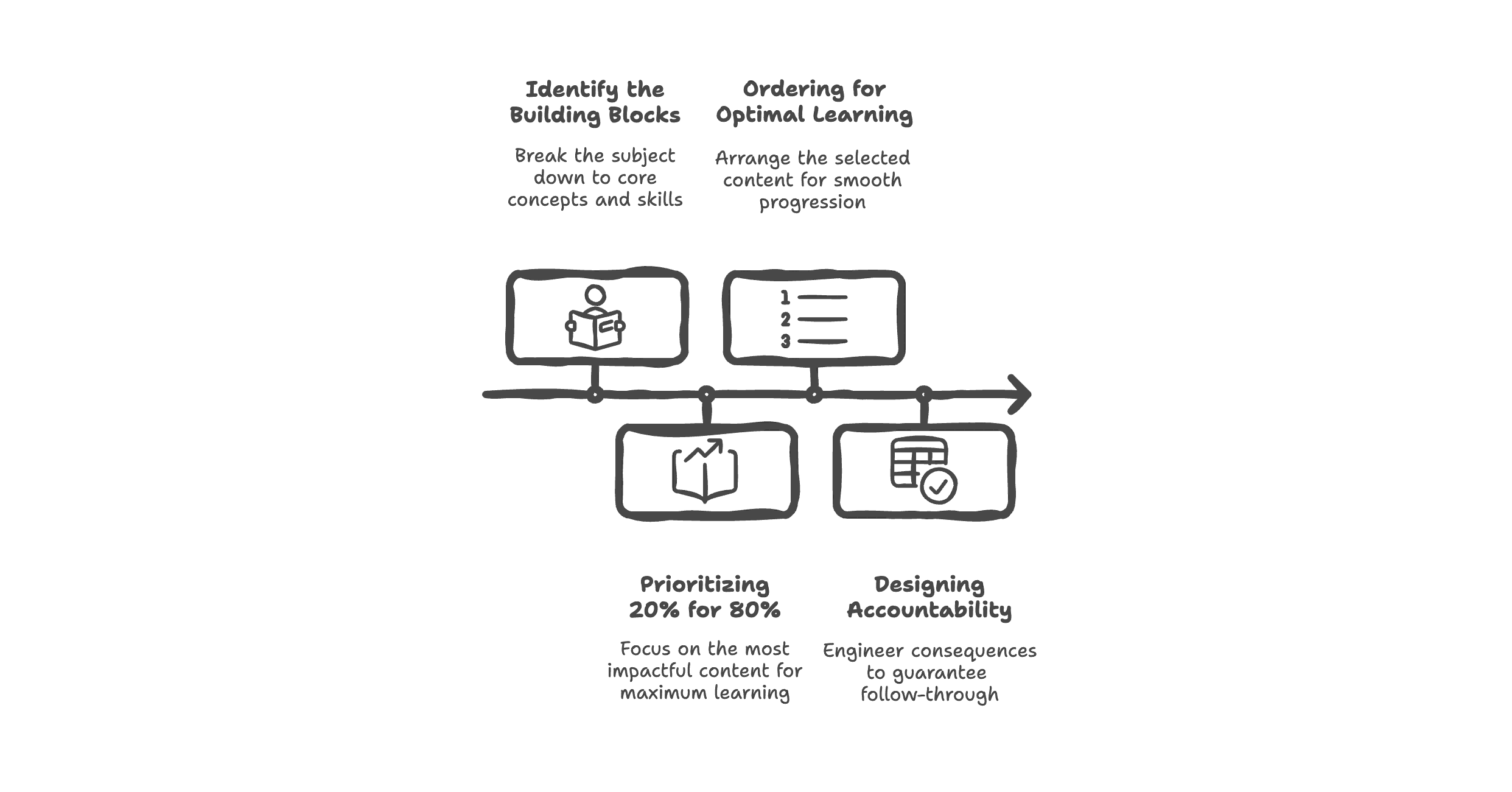
I’m a firm believer you don’t have to reinvent the wheel, someone in human history has had to face the same problem and has found a solution. Scouring the web, I found one of those people who tackled curriculum design... Tim Ferriss. A world-class learner who uses the DiSSS framework to create syllabuses for himself.
How do you design curriculums?
I’m a firm believer you don’t have to reinvent the wheel, someone in human history has had to face the same problem and has found a solution. Scouring the web, I found one of those people who tackled curriculum design... Tim Ferriss. A world-class learner who uses the DiSSS framework to create syllabuses for himself.
Deconstruction: Taking Things Apart
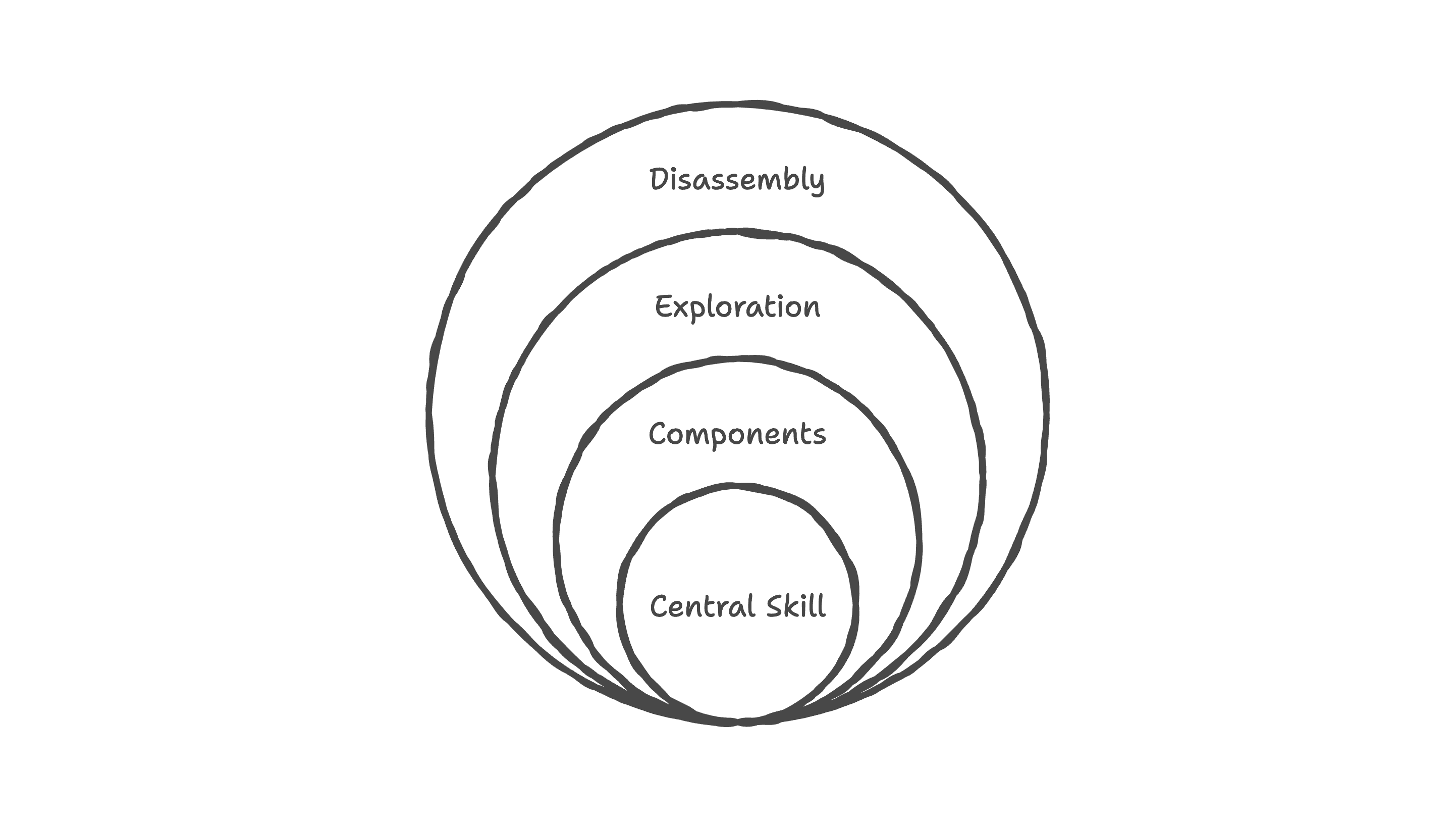
First, this amorphous “skill” has to be broken down into small, manageable pieces, we have to figure out the logo blocks. This stage about exploration, mapping, and seeing what sticks on the wall by flipping things upside down and seeing what the outliers -those achieving exceptional results with minimal effort- are doing differently. It involves doing a lot of interviews and reading up.
Deconstruction: Taking Things Apart
First, this amorphous “skill” has to be broken down into small, manageable pieces, we have to figure out the logo blocks. This stage about exploration, mapping, and seeing what sticks on the wall by flipping things upside down and seeing what the outliers -those achieving exceptional results with minimal effort- are doing differently. It involves doing a lot of interviews and reading up.
Selection: Choosing What's Most Valueable
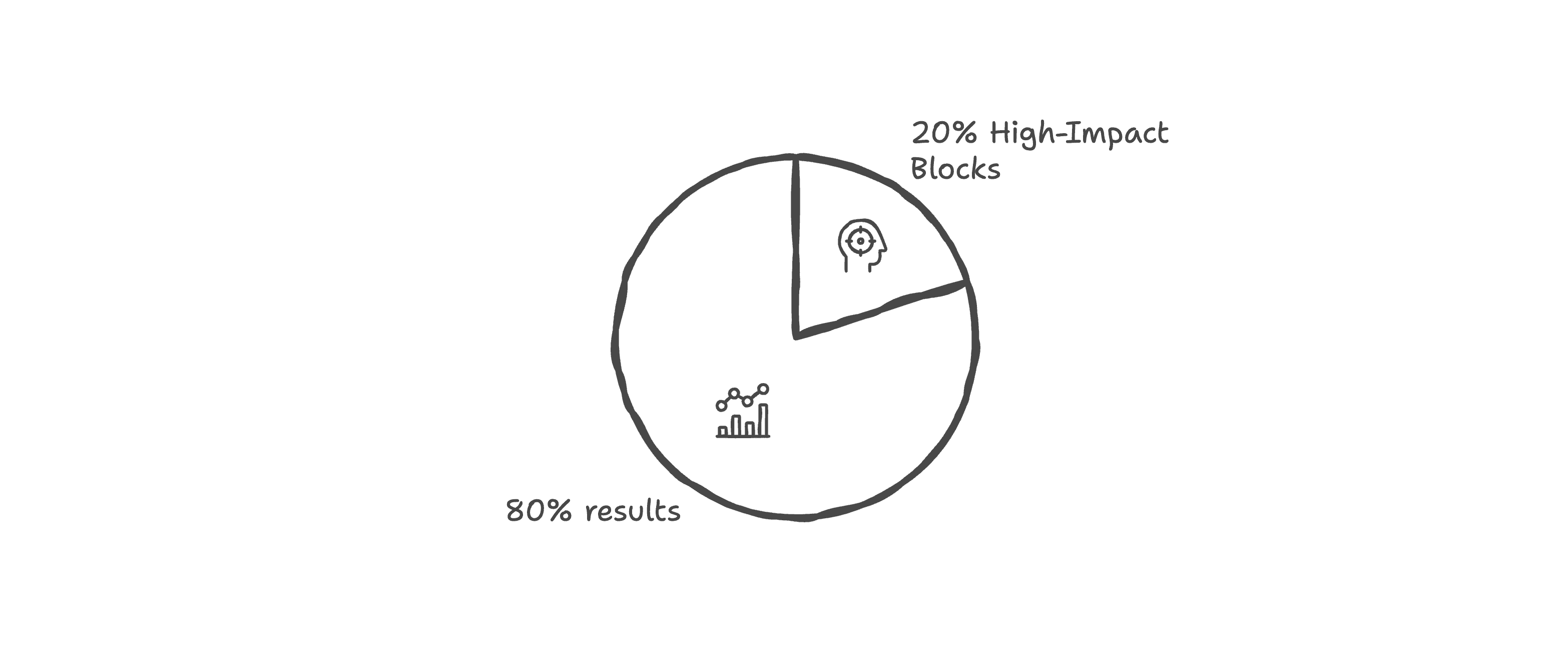
Once we’ve looked at all the pieces that account for that skill, we need to distil into the fewest moving pieces that have maximum value. That means figuring out what the best learning materials and methods are. These are usually the ones students can use many times over because it’s easy, efficient, and effective. It’s about selecting the 20% of the blocks that achieve 80% of results.
Selection: Choosing What's Most Valueable
Once we’ve looked at all the pieces that account for that skill, we need to distil into the fewest moving pieces that have maximum value. That means figuring out what the best learning materials and methods are. These are usually the ones students can use many times over because it’s easy, efficient, and effective. It’s about selecting the 20% of the blocks that achieve 80% of results.
Sequencing: Building A Sense Of Progression
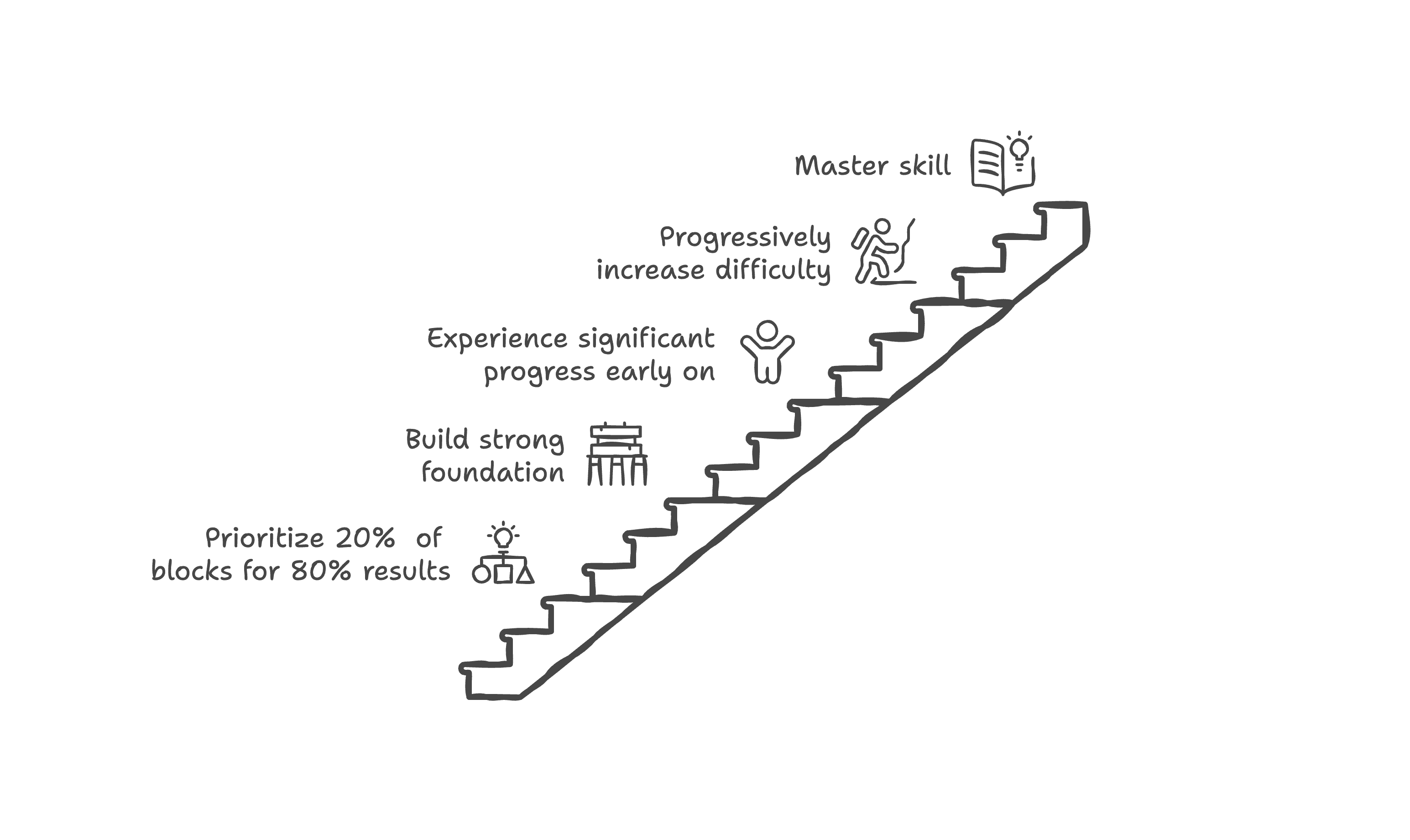
Sequence refers to what order students should learn in. The hallmark of great sequencing is to feel better after learning. Learning should be structured with 20% of the blocks that achieve 80% of results first, and progressively get more difficult. This helps build momentum and a sense of progress which helps students stay consistent.
Sequencing: Building A Sense Of Progression
Sequence refers to what order students should learn in. The hallmark of great sequencing is to feel better after learning. Learning should be structured with 20% of the blocks that achieve 80% of results first, and progressively get more difficult. This helps build momentum and a sense of progress which helps students stay consistent.
Stakes: Setting Up An Accountability System
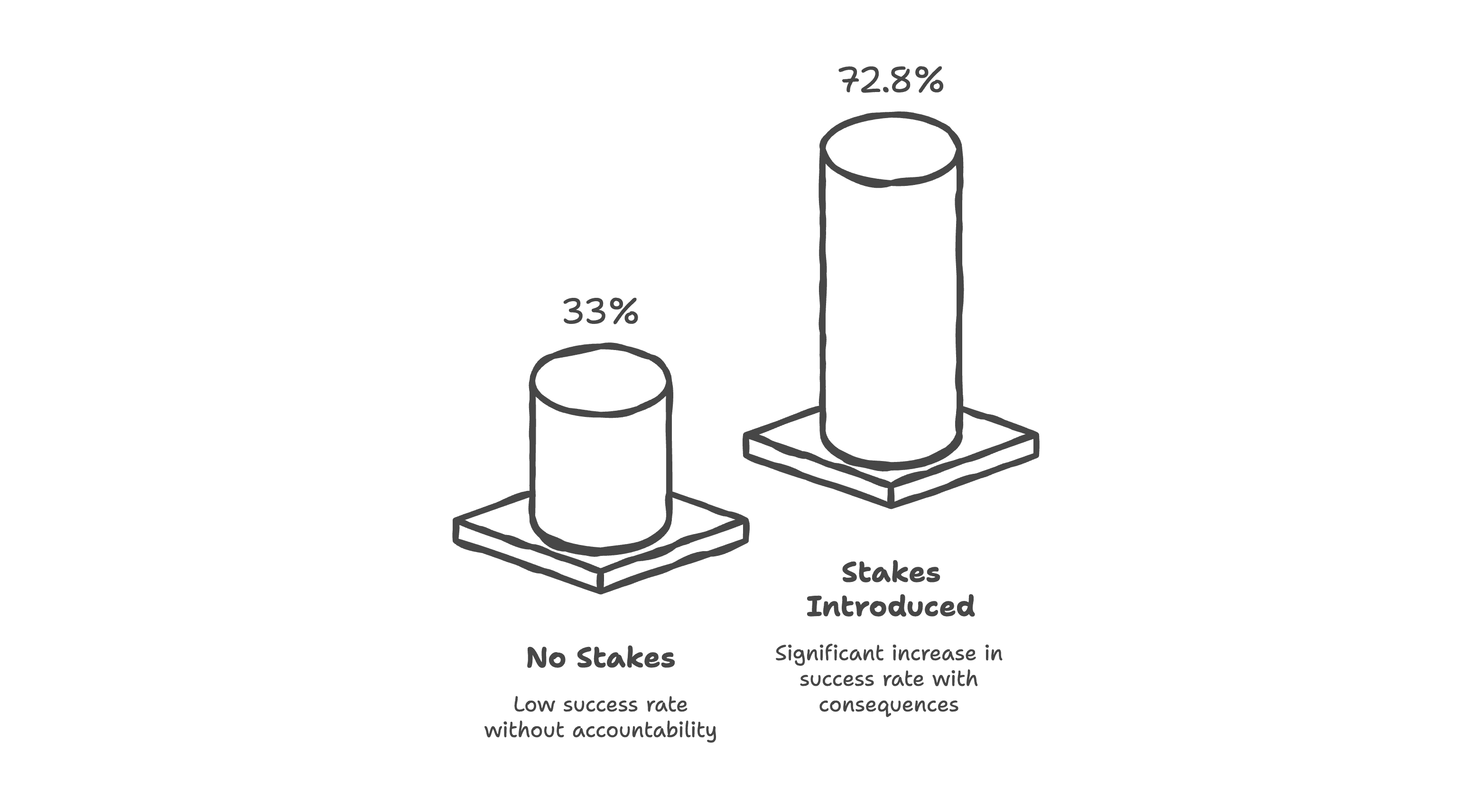
Studies show there's a 33% success rate with no stakes, but that doubles to 72.8% when there are consequences. Here the most effective ways of setting up stakes:
Finding an accountability buddy or group.
Committing to a real-world project where you have to deliver.
Finding a mentor.
Setting up hard deadlines.
Setting up stakes on stickk.com, a service designed to keep people accountable to their goals.
Stakes: Setting Up An Accountability System
Studies show there's a 33% success rate with no stakes, but that doubles to 72.8% when there are consequences. Here the most effective ways of setting up stakes:
Finding an accountability buddy or group.
Committing to a real-world project where you have to deliver.
Finding a mentor.
Setting up hard deadlines.
Setting up stakes on stickk.com, a service designed to keep people accountable to their goals.
Diary Study - Testing The DiSSS Framework
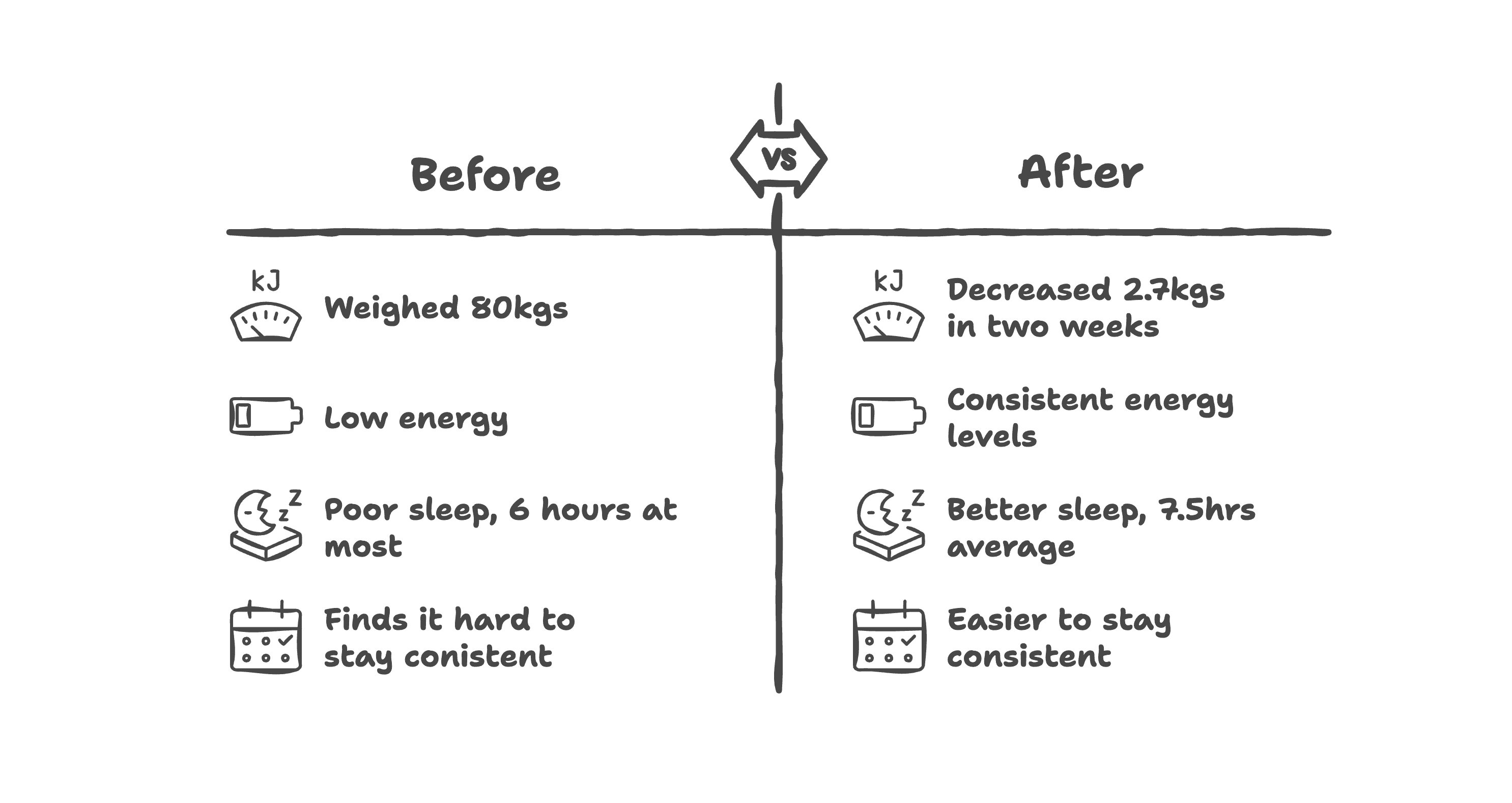
To test run this system, I recruited my friend Sai as a lab rat. Sai has been trying to lose weight as I’ve known him. So I set a target to build an easy to follow curriculum to help him lose 3 kg in 2 weeks, and here are the results:
Diary Study - Testing The DiSSS Framework
To test run this system, I recruited my friend Sai as a lab rat. Sai has been trying to lose weight as I’ve known him. So I set a target to build an easy to follow curriculum to help him lose 3 kg in 2 weeks, and here are the results:
User Flows
In preparation for the UI, I had to draw up the course flow, which involved losing an unhealthy amount of sleep because the flows had to be:
Simple enough so students could easily understand what to do, when to do it, and easy to navigate the course.
They had to be scalable so the same flow could be applied across a range of different courses.
They had to be flexible so the curriculum team could easily update the syllabus, and not rely on the dev team to make changes, or drastically impact the UX.
Finally, they had to adhere to all my previous research on how people learn.
User Flows
In preparation for the UI, I had to draw up the course flow, which involved losing an unhealthy amount of sleep because the flows had to be:
Simple enough so students could easily understand what to do, when to do it, and easy to navigate the course.
They had to be scalable so the same flow could be applied across a range of different courses.
They had to be flexible so the curriculum team could easily update the syllabus, and not rely on the dev team to make changes, or drastically impact the UX.
Finally, they had to adhere to all my previous research on how people learn.
UI Design
Style Tile
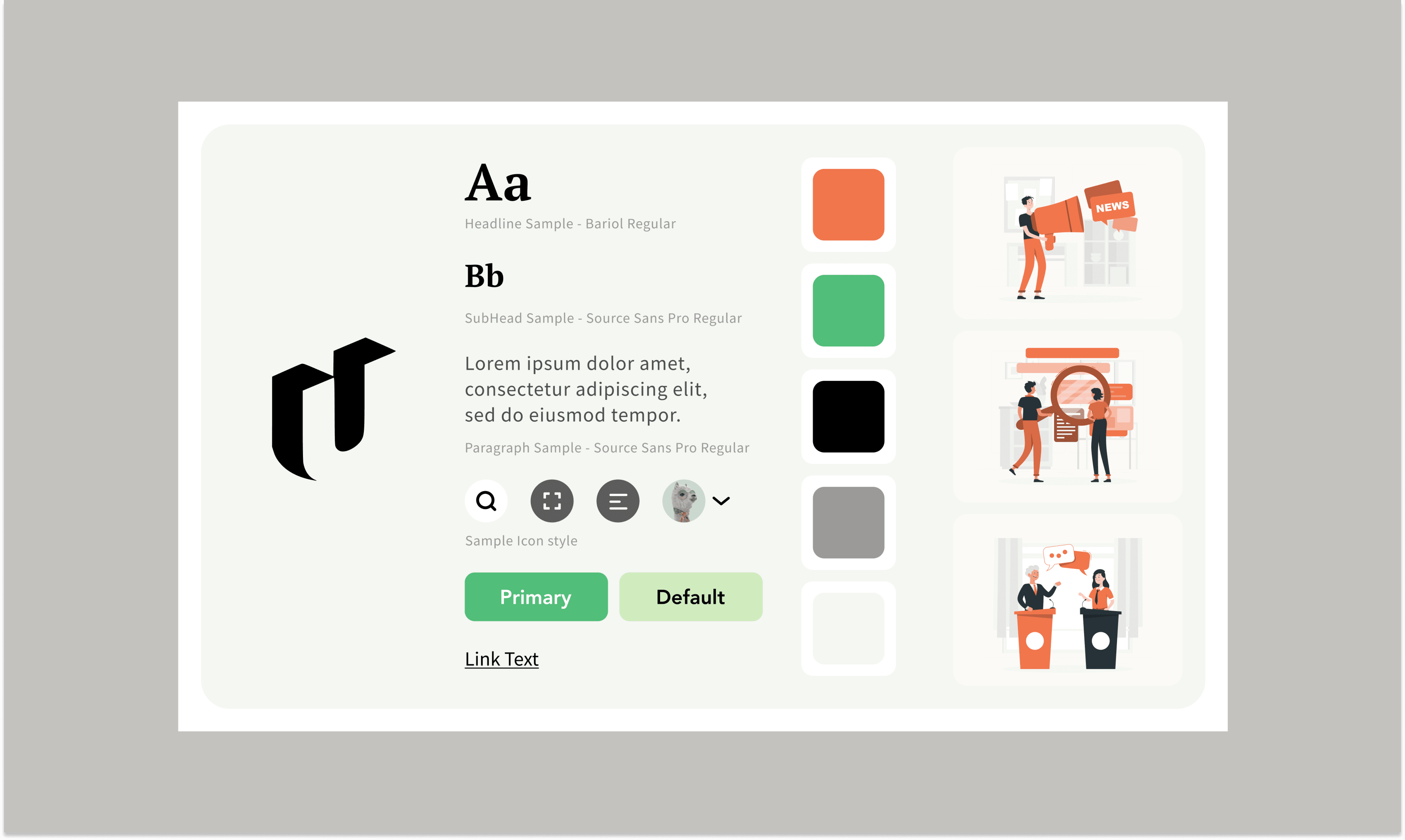
Our environments have a massive impact on our mood and sense of well being. Studying in classrooms can feel bleak, so I themed my colour pallet around green, to emulate the natural habitats we've evolved to live in.
Style Tile
Our environments have a massive impact on our mood and sense of well being. Studying in classrooms can feel bleak, so I themed my colour pallet around green, to emulate the natural habitats we've evolved to live in.
Designing The MVP
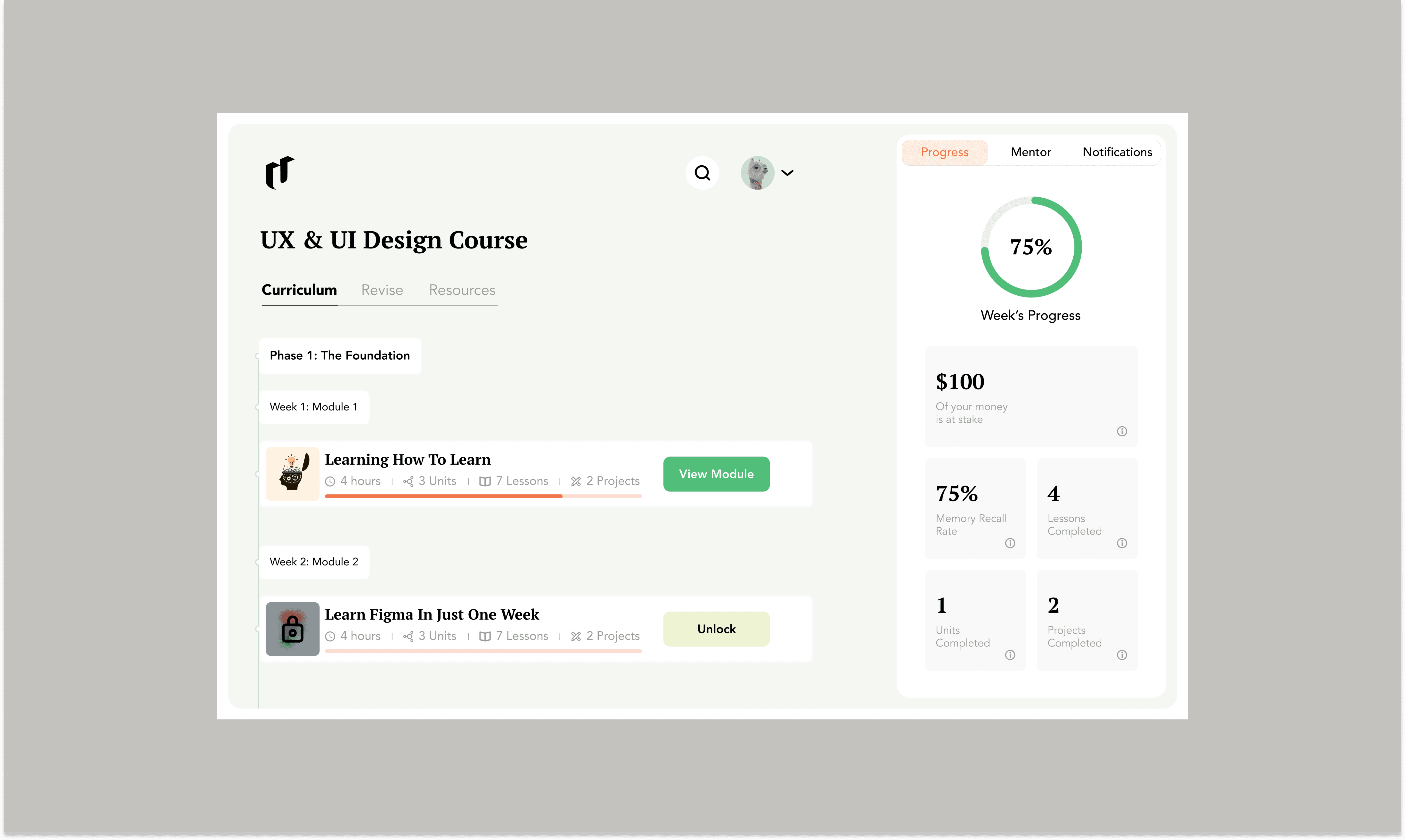
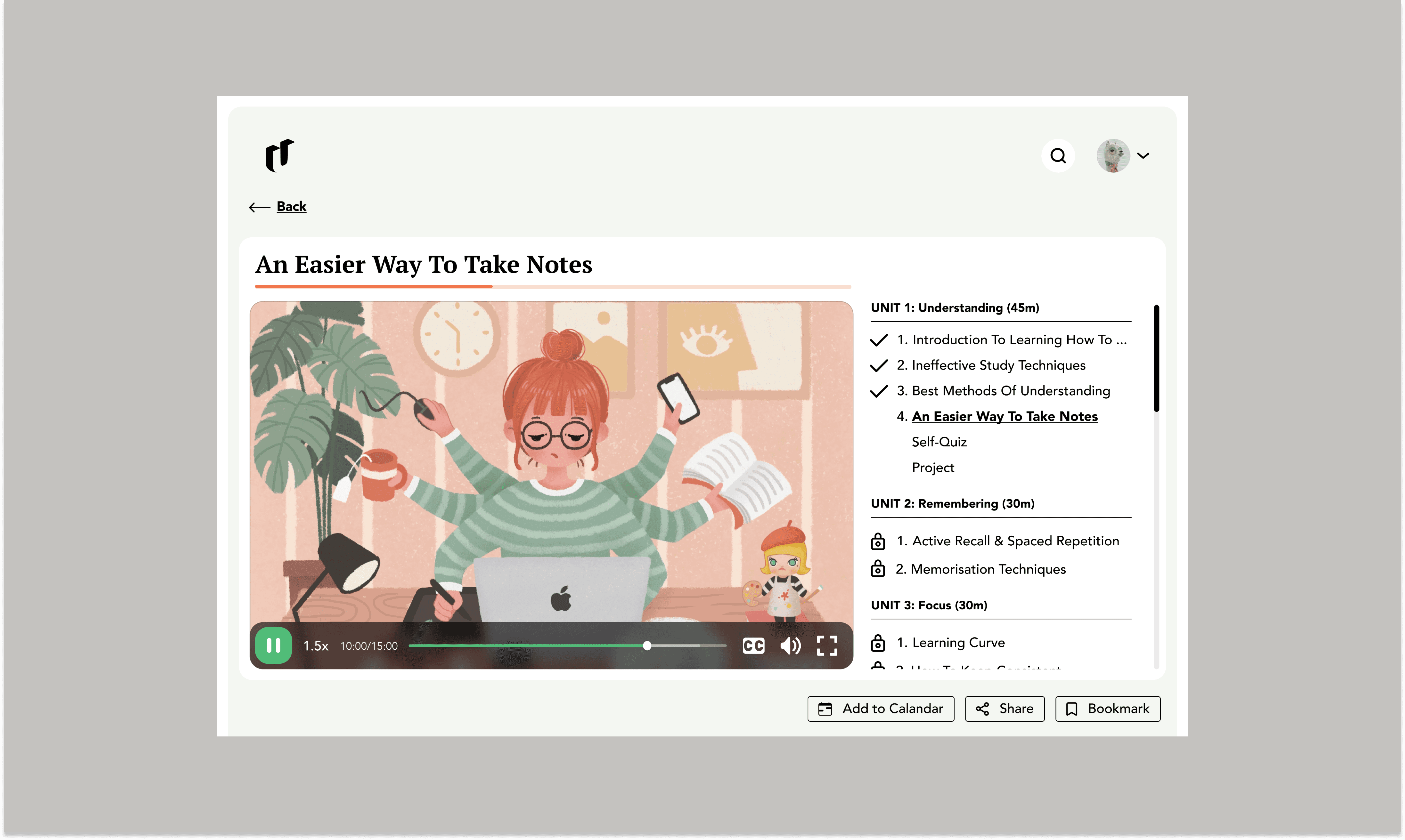
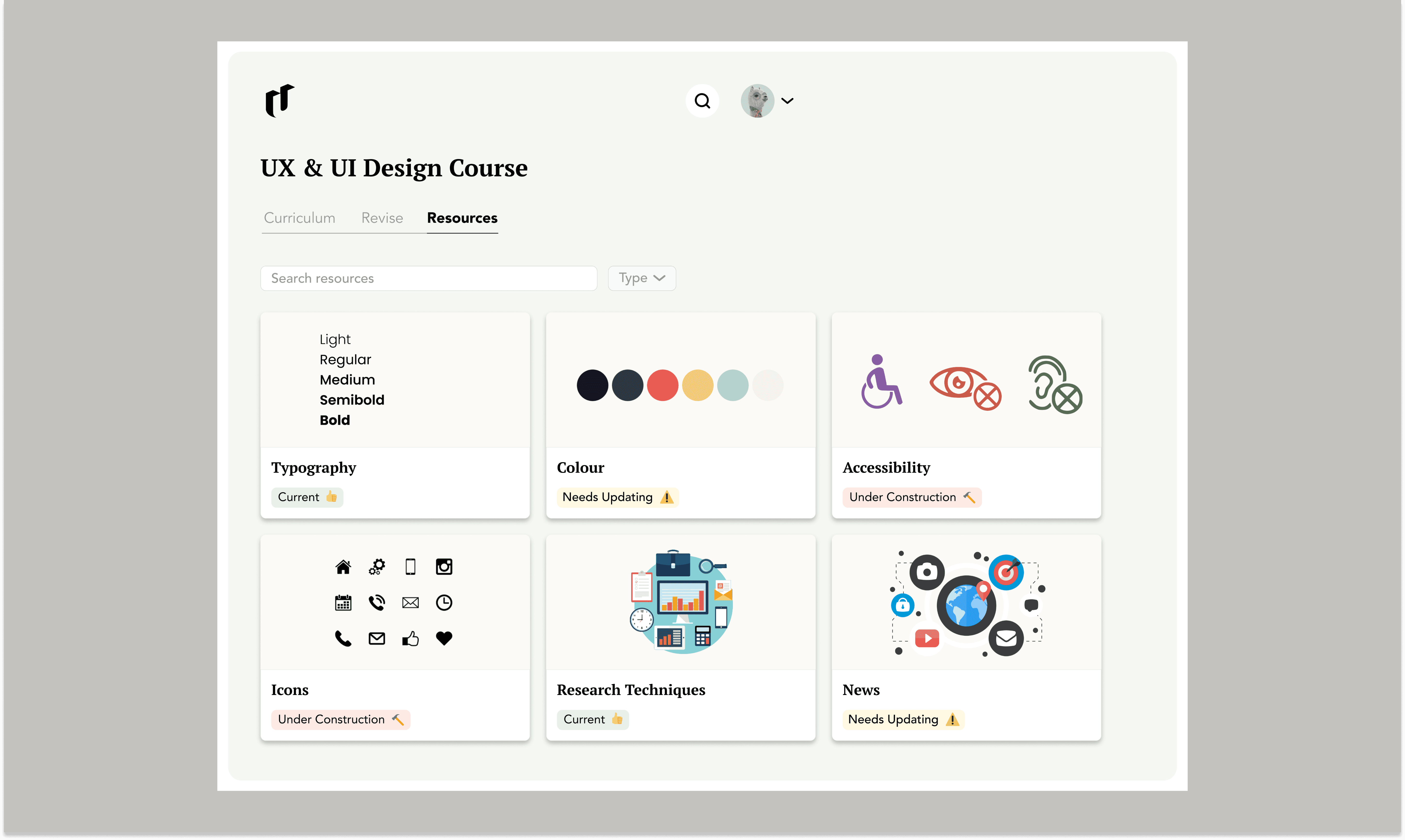
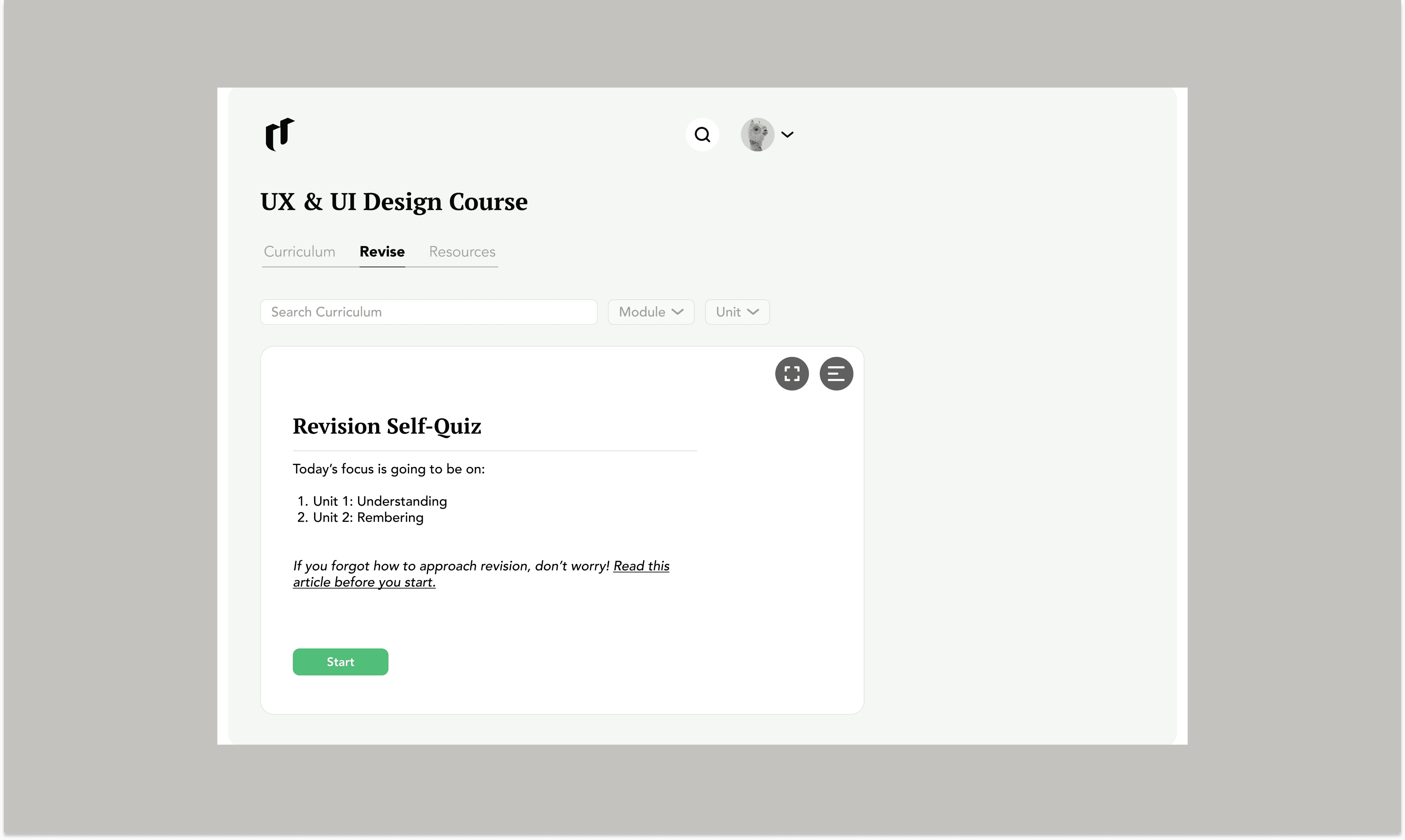
Once I knew the platform's structure from my user flows, I made a mood board to help me visualise how each screen would look before sketching them out on paper, creating wireframes, hi-fi mockups, and finally, the prototype.
Designing The MVP
Once I knew the platform's structure from my user flows, I made a mood board to help me visualise how each screen would look before sketching them out on paper, creating wireframes, hi-fi mockups, and finally, the prototype.
User Testing
Here are the main points from early user testing:
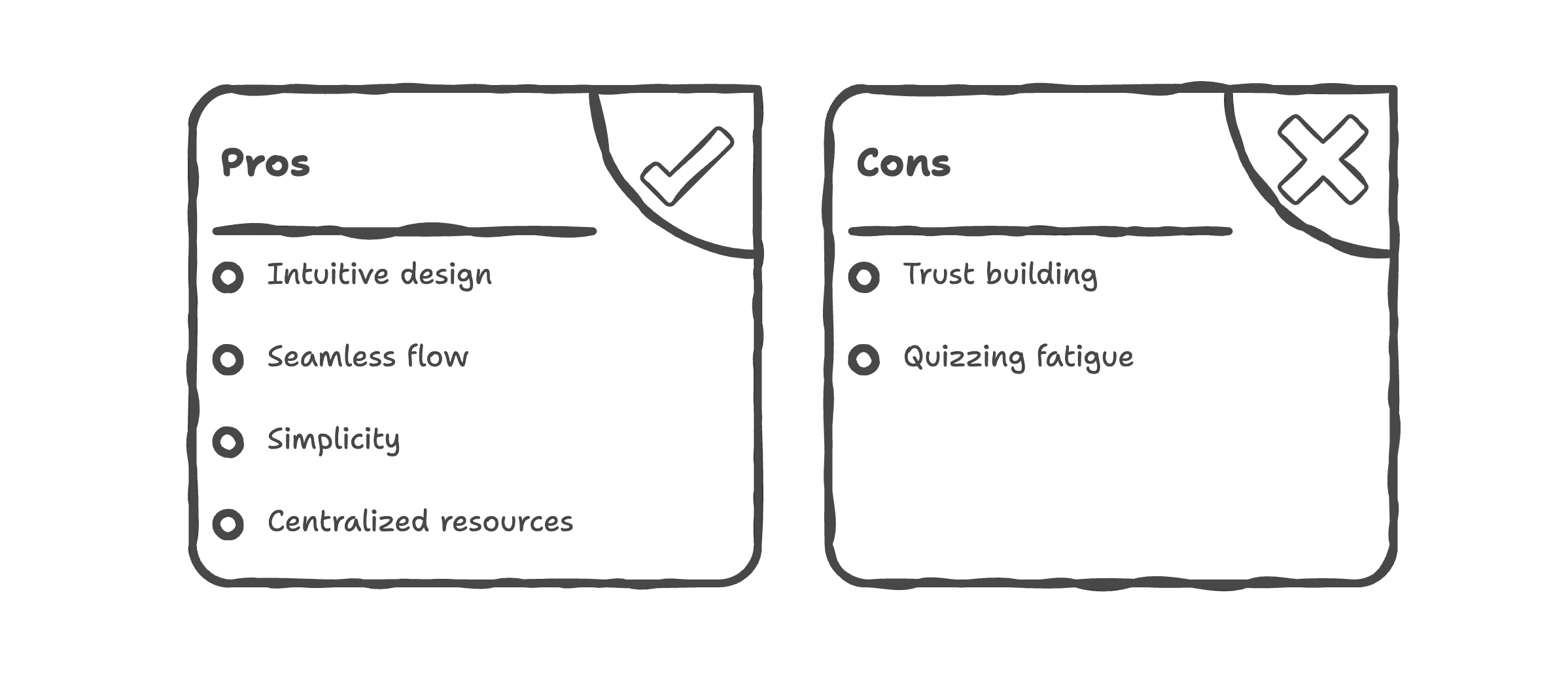
All new users liked the overall feel of the platform, intuitively understood how each page flowed and appreciated the simplicity of everything being in one place.
One user commented, "This is like an upgraded version of a textbook".
One participant was concerned about why new users would trust the platform and the curriculum.
Two participants found self-quizzing might feel like a chore if students have to do it after every submodule.
User Testing
Here are the main points from early user testing:
All new users liked the overall feel of the platform, intuitively understood how each page flowed and appreciated the simplicity of everything being in one place.
One user commented, "This is like an upgraded version of a textbook".
One participant was concerned about why new users would trust the platform and the curriculum.
Two participants found self-quizzing might feel like a chore if students have to do it after every submodule.
Learnings & Next Steps
What We Need To Learn Next
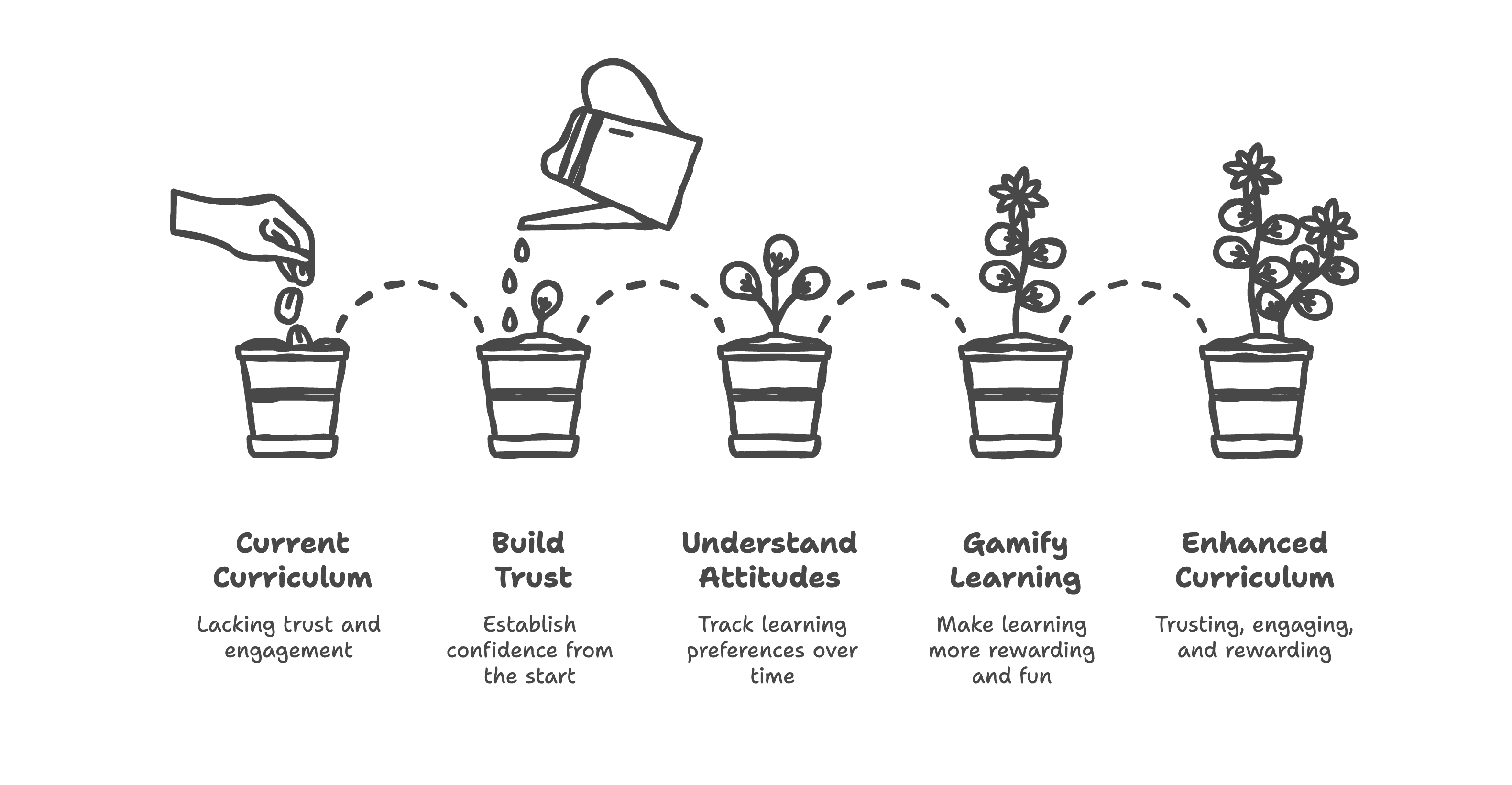
How do we build trust in the curriculum? First impressions set expectations, so it's crucial to get it right from the start.
How do learning attitudes evolve? Courses can be long-term commitments, and understanding how students’ attitudes shift over time requires ongoing diary studies.
How do we make learning more rewarding? Building strong learning habits starts with enjoying the process. Gamification is a key.
What We Need To Learn Next
How do we build trust in the curriculum? First impressions set expectations, so it's crucial to get it right from the start.
How do learning attitudes evolve? Courses can be long-term commitments, and understanding how students’ attitudes shift over time requires ongoing diary studies.
How do we make learning more rewarding? Building strong learning habits starts with enjoying the process. Gamification is a key.
My Learnings
What you do matters more than how you do it: I came across a powerful quote: "Work on the 20% that leads to 80% of the results... you'll achieve more in less time." Having heard this before in startups, it truly hit home during this project.
Take more breaks: Energy and focus have natural cycles. After 3-4 hours, I hit diminishing returns. A 15-30 minute break is a game-changer—Find a beanbag, and become the beanbag.
My Learnings
What you do matters more than how you do it: I came across a powerful quote: "Work on the 20% that leads to 80% of the results... you'll achieve more in less time." Having heard this before in startups, it truly hit home during this project.
Take more breaks: Energy and focus have natural cycles. After 3-4 hours, I hit diminishing returns. A 15-30 minute break is a game-changer—Find a beanbag, and become the beanbag.
READY TO COLLABORATE?
READY TO COLLABORATE?
READY TO COLLABORATE?
Have some work in mind?
Have some work in mind?
Let’s create something extraordinary together
Let’s create something extraordinary together